
Blog
Choosing the Right Construction Materials for Your Dorset Project: A Comprehensive Guide
Oct
When embarking on a construction project, the choice of materials can significantly influence not only the outcome but also the overall cost and sustainability of the venture. For small businesses and trades in Dorset, selecting the right materials is essential for ensuring quality, meeting local regulations, and optimising project budgets. This guide aims to provide clear insights into choosing the appropriate construction materials, helping you avoid common pitfalls and make informed decisions.
Understanding Your Project’s Requirements
Assessing Project Scope and Design
Before selecting materials, it is crucial to define the scope of your project. Consider the following:
- Project Type: Are you constructing a new building, renovating an existing structure, or undertaking a smaller repair? Each type may have distinct material requirements.
- Design Specifications: Review architectural plans to understand material specifications. Pay attention to aesthetic considerations, structural integrity, and compliance with building regulations.
- Local Climate: In Dorset, weather conditions can affect material performance. For example, materials must withstand moisture and occasional strong winds.
Key Questions to Ask
- What is the expected lifespan of the materials?
- Are there any sustainability considerations (e.g., eco-friendly options)?
- How do the materials perform in terms of insulation, durability, and maintenance?
Types of Construction Materials
Traditional Materials
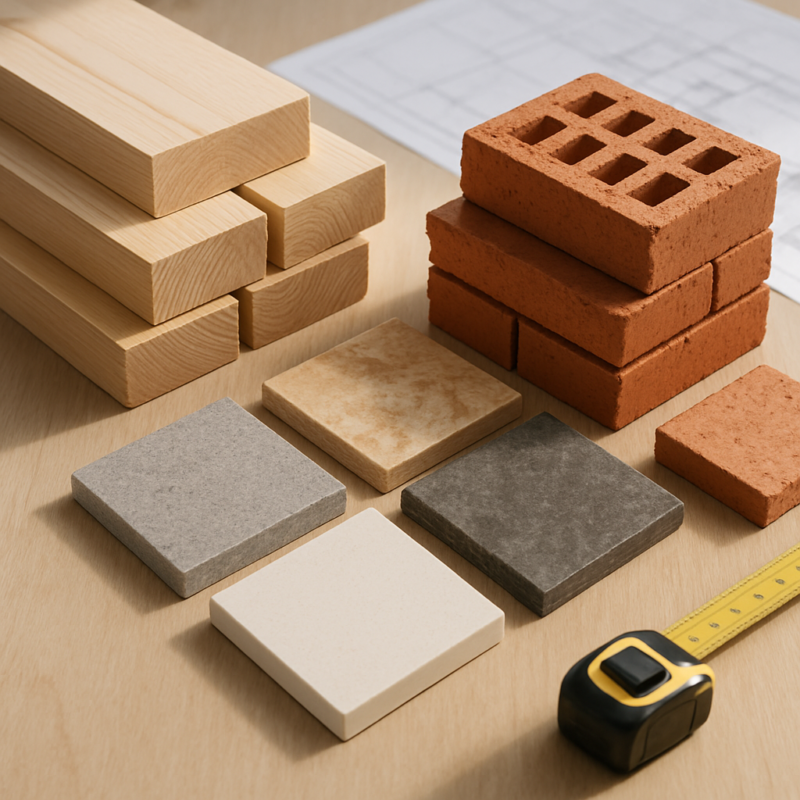
- Brick and Block: Widely used for walls due to their strength and thermal properties. Ideal for both residential and commercial projects.
- Timber: Offers versatility for framing and finishes. Ensure it is sourced sustainably to meet eco-friendly objectives.
- Concrete: Known for its durability, suitable for foundations and large structures. Consider the type of concrete mix based on your project’s requirements.
Modern Materials
- Steel: Increasingly used in commercial buildings due to its strength-to-weight ratio. Consider galvanised steel for corrosion resistance.
- Composite Materials: Often used for cladding and flooring, offering a combination of durability and aesthetic appeal.
- Sustainable Options: Explore recycled materials or those with low environmental impact, which are becoming increasingly available in the market.
How to Choose the Right Materials
1. Evaluate Cost vs. Quality
Balancing cost and quality is crucial. While cheaper materials may seem appealing, they can lead to higher long-term expenses due to maintenance or replacement needs.
2. Consider Local Suppliers
Working with local suppliers can provide benefits such as:
- Faster Delivery: Minimising delays in your project timeline.
- Local Expertise: Suppliers familiar with local regulations and climate considerations can offer valuable advice.
- Sustainability: Local sourcing reduces transportation emissions and supports the local economy.
For example, at Blandford Tools, we provide a range of construction materials tailored to the needs of Dorset businesses, ensuring quality and reliability.
3. Check for Certifications
Ensure that the materials you choose meet relevant standards and certifications. This not only ensures quality but also compliance with local building regulations. Look for:
- British Standards (BS)
- CE Marking
- Environmental certifications (e.g., FSC for timber)
Common Mistakes to Avoid
1. Ignoring Sustainability
With increasing emphasis on environmental responsibility, neglecting sustainable options can impact your business reputation. Always consider eco-friendly materials and practices.
2. Overlooking Long-Term Costs
Choosing the cheapest option can result in higher maintenance costs over time. Invest in quality materials that will stand the test of time and require less upkeep.
3. Failing to Consult Experts
If you’re unsure about material choices, consulting with construction professionals can save time and money. They can provide insights based on experience and knowledge of current trends.
A Checklist for Material Selection
- [ ] Define the project scope and design requirements.
- [ ] Research local suppliers and their material offerings.
- [ ] Assess cost versus quality for each material option.
- [ ] Verify certifications and compliance with building regulations.
- [ ] Consider sustainability and long-term performance.
Conclusion
Selecting the right construction materials is a critical step for any Dorset-based project, whether you are a small business, trade, or local service provider. By understanding your project requirements, evaluating options carefully, and avoiding common pitfalls, you can ensure that your project meets its objectives while also aligning with budget and sustainability goals.
For further assistance in choosing the right materials for your project, or to explore our range of construction supplies, please visit our website or contact us directly. We are here to support your business needs effectively.