
Blog
Maximising Efficiency: A Guide to Tool Maintenance for Dorset SMEs
Jul
As a small business owner in Dorset, keeping your tools in prime condition is crucial for maintaining productivity and ensuring that you can deliver high-quality work to your clients. Neglecting tool maintenance can lead to unexpected breakdowns, costly repairs, and even project delays. This blog post will provide you with practical advice on how to maintain your tools effectively, helping you prevent downtime and ensure that your business runs smoothly.
Understanding the Importance of Tool Maintenance
Regular maintenance of your tools not only extends their lifespan but also enhances their performance. Here are some reasons why maintaining your tools should be a priority:
- Increased Efficiency: Well-maintained tools operate more effectively, saving you time and reducing effort.
- Cost Savings: Regular maintenance can help avoid costly repairs or replacements down the line.
- Safety: Properly maintained equipment reduces the risk of accidents and injuries on the job site.
- Professional Image: Using reliable tools reflects positively on your business and boosts your credibility.
How to Maintain Your Tools: A Step-by-Step Approach
1. Keep It Clean
Dirt and debris can hinder tool performance. Here’s how to clean different types of tools:
- Hand Tools: Wipe them down with a damp cloth after each use and store them in a dry place.
- Power Tools: Use compressed air to blow out dust and debris from vents and moving parts. Make sure to unplug the tool before cleaning.
- Cutting Tools: Regularly sharpen blades and bits to ensure precision. Clean them with a wire brush to remove any residue.
2. Lubricate Moving Parts
Lubrication is essential for tools with moving parts. Follow these guidelines:
- Select the Right Lubricant: Use oil or grease recommended by the manufacturer.
- Apply Sparingly: Too much lubricant can attract dirt. Apply a small amount to pivot points, gears, and bearings.
- Frequency: Lubricate tools based on usage. High-use tools may require more frequent lubrication.
3. Inspect for Damage
Regular inspections help identify potential issues before they escalate. Check for the following:
- Worn parts: Look for signs of wear on blades, cords, and handles.
- Loose fittings: Ensure all screws and bolts are tight.
- Electrical issues: Inspect power cords for frays or damage.
4. Store Properly
Proper storage is key to maintaining your tools. Here are some tips:
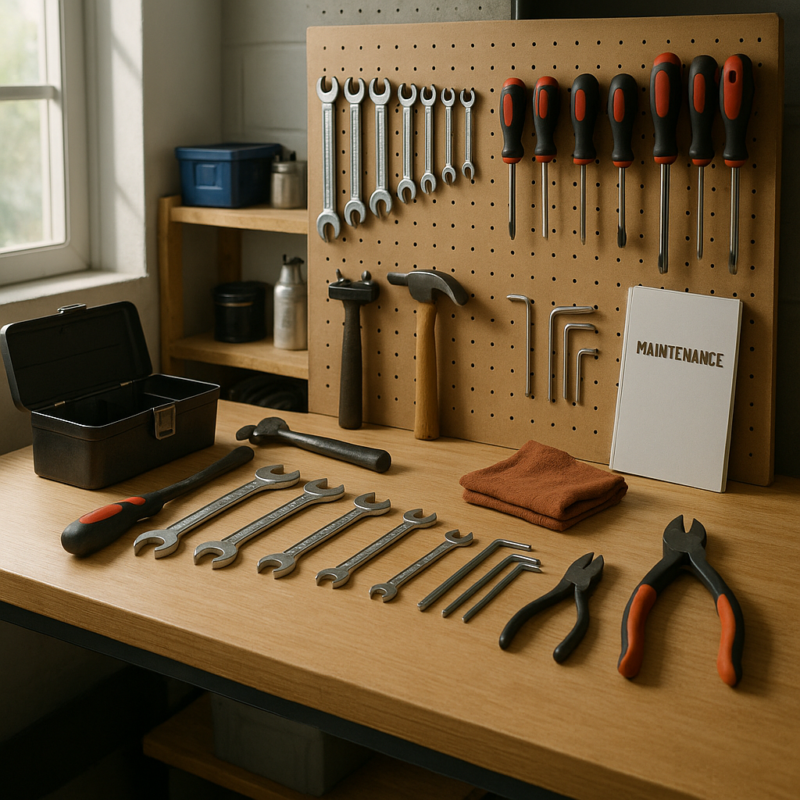
- Organised Storage: Use pegboards, toolboxes, or shelves to keep tools organised and easily accessible.
- Climate Control: Avoid storing tools in damp or humid environments to prevent rust and corrosion. Consider using a dehumidifier in your storage area.
- Protection: Use protective cases for delicate tools or when transporting them to job sites.
Common Tool Maintenance Mistakes to Avoid
Avoid these pitfalls to ensure your tools remain in top condition:
- Neglecting Regular Maintenance: Don’t wait for a problem to arise before addressing maintenance needs.
- Using the Wrong Cleaning Products: Harsh chemicals can damage tools. Always use manufacturer-recommended cleaning solutions.
- Ignoring Safety Protocols: Always unplug power tools before cleaning or performing maintenance to avoid accidents.
What to Ask Your Tool Supplier
When sourcing tools and equipment, it’s essential to ask the right questions to ensure quality and support. Consider the following inquiries:
- What maintenance services do you offer?: Determine if they provide support for repairs or maintenance.
- Can you recommend specific products for my needs?: They should be able to guide you to tools suitable for your trade.
- What warranties are available?: Understanding warranty terms can save you from future expenses.
Keeping Up with Maintenance Schedules
Creating a maintenance schedule tailored to your tools and usage can help you stay organised. Here’s a simple checklist to consider:
- Daily: Clean tools after each use.
- Weekly: Inspect tools for damage and lubricate moving parts.
- Monthly: Sharpen cutting tools and conduct a thorough clean.
- Quarterly: Perform a comprehensive inspection of all tools and equipment.
Conclusion
Maintaining your tools is an investment in the efficiency and longevity of your business. By following these practical steps, you can ensure that your equipment remains reliable and ready for any job. If you need high-quality tools or support, consider reaching out to a local supplier such as Blandford Tools, where you can find a range of products suited to your business needs.
Remember, a proactive approach to tool maintenance not only benefits your tools but also enhances your overall business performance.