
Blog
Choosing the Right Construction Equipment for Your Dorset Business
Aug
In the ever-evolving landscape of construction and trades, ensuring that your business is equipped with the right tools and machinery is crucial for success. The wrong choice can lead to inefficiencies, increased costs, and even safety hazards. As a small business or SME in Dorset, you may be wondering how to navigate the myriad options available. This guide will help you understand the key factors to consider when selecting construction equipment tailored to your needs.
Understanding Your Business Requirements
Before diving into the specifics of equipment selection, it’s essential to assess your business’s unique needs. Here are some key considerations:
1. Nature of Your Work
- Type of Projects: Are you involved in residential, commercial, or industrial projects? Each type requires different equipment.
- Frequency of Use: Will the equipment be used daily, weekly, or occasionally? This will influence your choice between purchasing or hiring.
2. Budget Considerations
- Initial Investment: Determine how much you can allocate for equipment purchase. Remember to factor in maintenance costs.
- Rental vs. Purchase: For some businesses, renting equipment can be more cost-effective, especially for infrequent tasks.
3. Space and Storage
- Workspace Size: Consider your current workspace and storage capabilities. Larger machinery may require more space for operation and storage.
- Transport Requirements: Ensure that you have the means to transport equipment to job sites. This may involve additional logistics.
Key Equipment Categories
Once you have a clear understanding of your requirements, you can begin evaluating specific types of construction equipment. Here are some critical categories to consider:
Hand Tools
- Essential Tools: Hammers, screwdrivers, pliers, and wrenches are fundamental for any trade.
- Ergonomics: Look for tools that are comfortable to use, reducing the risk of strain or injury.
Power Tools
- Types: Drills, saws, and sanders can enhance efficiency. Consider both electric and battery-operated options.
- Safety Features: Ensure tools have safety features such as guards and automatic shut-off functions.
Heavy Machinery
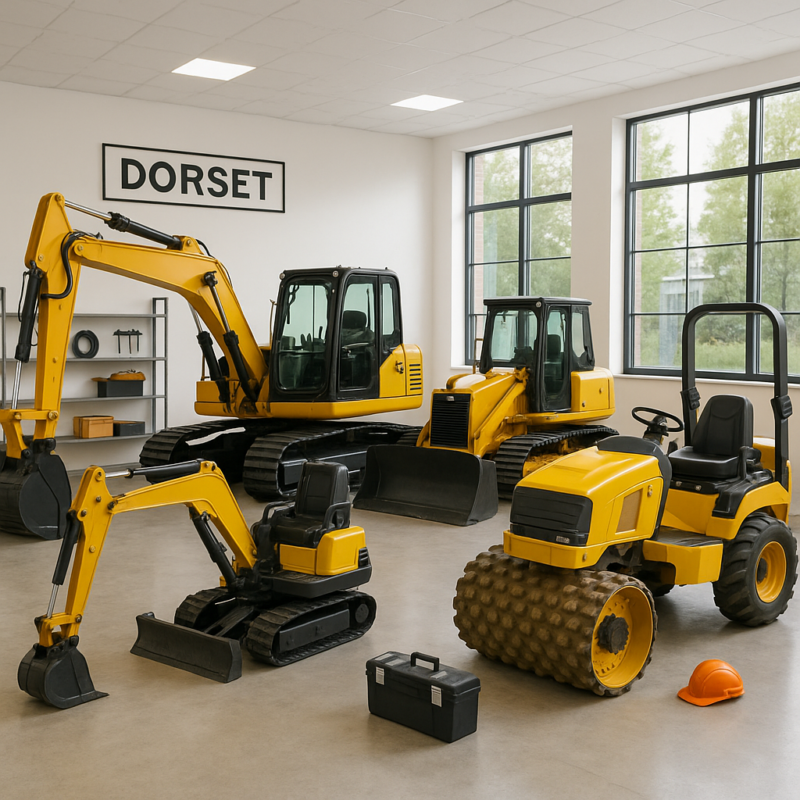
- Excavators and Diggers: Essential for larger projects, but assess if your business requires such heavy equipment.
- Compact Equipment: For smaller jobs, consider compact machinery that offers versatility without taking up too much space.
How to Choose the Right Equipment
When selecting specific tools or machinery, keep these guidelines in mind:
Performance and Specifications
- Power Requirements: Ensure that the equipment meets the power specifications needed for your tasks.
- Capacity and Size: Choose equipment that matches the scale of your projects, whether it’s lifting capacity or cutting size.
Brand Reputation and Reliability
- Well-Known Brands: Opt for reputable brands known for quality and durability. Research reviews and testimonials from other users.
- Warranty and Support: Check if the supplier offers a warranty and support services. This can save you money on repairs in the long run.
Supplier Communication
- Ask Questions: Don’t hesitate to inquire about the equipment’s features, maintenance needs, and best practices. A knowledgeable supplier can provide invaluable insights.
- Demonstration: If possible, request a demonstration of the equipment to assess its performance firsthand.
Common Mistakes to Avoid
When selecting construction equipment, be mindful of these common pitfalls:
1. Overlooking Maintenance Needs
Many small businesses underestimate the importance of maintenance. Ensure you know the maintenance schedule and costs associated with the equipment.
2. Ignoring Safety Protocols
Safety should always be a priority. Ensure that any equipment you choose complies with safety regulations and includes necessary safety features.
3. Failing to Test Equipment
Always test equipment before purchasing. This can help identify any potential issues and ensure it meets your performance expectations.
Checklist for Equipment Selection
To streamline your decision-making process, use this checklist:
- [ ] Define the nature of your work and project requirements.
- [ ] Establish a budget for purchasing or renting equipment.
- [ ] Evaluate the available space for storage and operation.
- [ ] Research various equipment types and brands.
- [ ] Test equipment where possible before making a purchase.
- [ ] Confirm warranty and support options from suppliers.
Local Support in Dorset
As a Dorset-based tool supplier, Blandford Tools understands the unique needs of local businesses. Our extensive range of construction equipment ensures you have access to the best tools for your trade. Whether you’re looking to purchase or rent, our knowledgeable team can assist you in making the right choice for your projects.
If you need more information, our tools and equipment page provides insights into our offerings. Additionally, our website design services can help you promote your business effectively, showcasing your projects and attracting new clients.
Conclusion
Choosing the right construction equipment can significantly impact the efficiency and safety of your operations. By understanding your business requirements, carefully evaluating your options, and avoiding common mistakes, you can make informed decisions that benefit your Dorset-based business. Remember, the right tools are not just investments; they are essential for delivering quality work and ensuring client satisfaction.