
Blog
Choosing the Right Power Tools for Your Dorset Business: A Comprehensive Guide
Aug
When running a small business in the construction or trade sectors, selecting the right power tools can significantly impact your efficiency, safety, and overall project success. With numerous options available, the challenge lies not just in choosing tools that meet your specific needs, but also ensuring they fit within your budget and comply with relevant safety standards. This guide aims to equip Dorset SMEs with the knowledge to make informed decisions when sourcing power tools.
Understanding Your Business Needs
Before diving into the specifics of various tools, it’s essential to assess your business requirements. Different trades have unique demands, so consider the following factors:
- Type of Work: Are you primarily involved in carpentry, plumbing, electrical work, or another trade? Each discipline often requires specialised tools.
- Frequency of Use: Will the tools be used daily, or only occasionally? Frequent use may warrant investing in higher-quality tools.
- Budget Constraints: Determine how much you can afford to spend on power tools without compromising on quality.
Key Power Tools for Dorset SMEs
Depending on your trade, the following power tools are commonly used in various sectors:
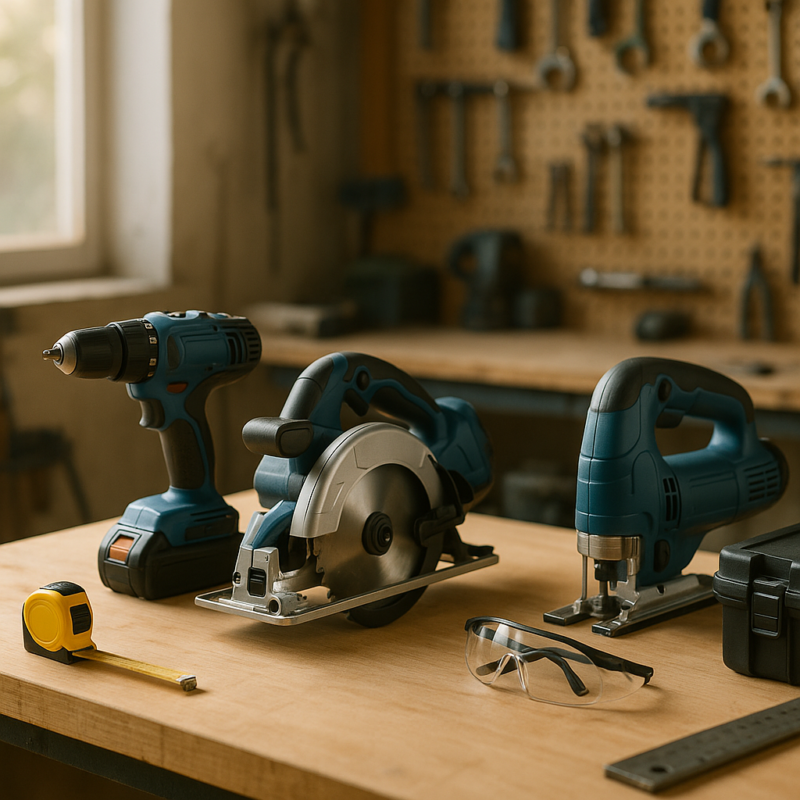
- Drills: Essential for making holes in various materials. Look for features such as variable speed and multiple torque settings.
- Saws: From circular to reciprocating saws, each has its specific application. Ensure you choose one that best suits your cutting needs.
- Sanders: Ideal for finishing wood or surfaces. Consider orbital sanders for a smooth finish.
- Impact Wrenches: These are invaluable for tasks requiring high torque, especially in automotive and construction applications.
- Generators: If you work on-site without access to electricity, a reliable generator can be a lifesaver.
How to Choose the Right Power Tools
Selecting the appropriate power tools involves a careful evaluation of several criteria:
1. Evaluate Tool Specifications
Understanding the specifications of power tools can help ensure they meet your performance needs. Key specifications to consider include:
- Power Output: Measured in watts or amps, higher numbers typically indicate more power.
- Speed Ratings: Look for tools with adjustable speed settings for versatility.
- Weight: Heavier tools may be more durable but can lead to fatigue during prolonged use.
2. Consider Safety Features
Safety should always come first. Look for power tools with:
- Safety Guards: Protects against accidental contact with moving parts.
- Soft Start Features: Helps prevent sudden movements when the tool is turned on.
- Ergonomic Design: Reduces strain on the user, making tools easier and safer to handle.
3. Read Reviews and Seek Recommendations
Before making a purchase, research and read reviews from other tradespeople. Additionally, asking for recommendations from local suppliers can provide valuable insights into the best tools for your specific needs.
Common Mistakes to Avoid
When sourcing power tools, be mindful of these common pitfalls:
- Prioritising Price Over Quality: Cheaper tools may cost you more in the long run through repairs and replacements. Invest in quality tools for reliability.
- Ignoring Warranty and Support: Ensure the tools come with adequate warranty coverage and that you have access to customer support for any issues that arise.
- Neglecting Maintenance: Regularly maintain your tools to prolong their lifespan and enhance performance. For tips, refer to our guide on maximising efficiency through tool maintenance.
Sourcing Power Tools in Dorset
When it comes to purchasing power tools, consider local suppliers who can offer tailored advice and prompt service. Here are steps to ensure a successful purchasing experience:
- Research Local Suppliers: Look for established suppliers in Dorset who understand the unique needs of local trades.
- Ask Questions: Inquire about the tools’ specifications, warranty, and available support services.
- Request Demonstrations: If possible, ask for a demonstration of the tools you’re considering to ensure they meet your expectations.
Building a Relationship with Your Supplier
Establishing a good relationship with a local supplier can be beneficial for ongoing support and advice. Here are some tips:
- Communicate Your Needs: Be clear about your specific requirements and ask for recommendations based on your business.
- Stay Informed: Keep up with new product releases and innovations that may enhance your operations.
- Feedback: Provide feedback on your experiences with the tools and services received, helping the supplier improve their offerings.
Conclusion
Choosing the right power tools for your Dorset business is a critical decision that can influence your productivity and safety on the job. By understanding your business needs, evaluating tool specifications, and avoiding common mistakes, you can make informed choices that will benefit your operations in the long run. Engaging with local suppliers will further ensure you receive quality products and personalised support tailored to your unique trade requirements.
For more insights on tool specifications and how to choose the right tools for your trade, explore our comprehensive guide on understanding tool specifications.