
Blog
Choosing the Right Safety Gear for Your Trade: A Practical Guide for Dorset SMEs
Aug
In the construction and trades industry, safety should always be a top priority. With the nature of the work being physically demanding and often hazardous, equipping your team with the right safety gear is essential not just for compliance with health and safety regulations but also for protecting your most valuable asset—your workforce. However, selecting the appropriate safety gear can be overwhelming, especially when there are so many options available. This guide will walk you through the essential types of safety gear, how to choose the right products for your trade, and common mistakes to avoid, all tailored to the needs of small businesses and trades in Dorset.
Understanding the Types of Safety Gear
Before delving into the specifics of choosing safety gear, it’s important to understand the various types available. Here’s a breakdown of the most common categories:
1. Personal Protective Equipment (PPE)
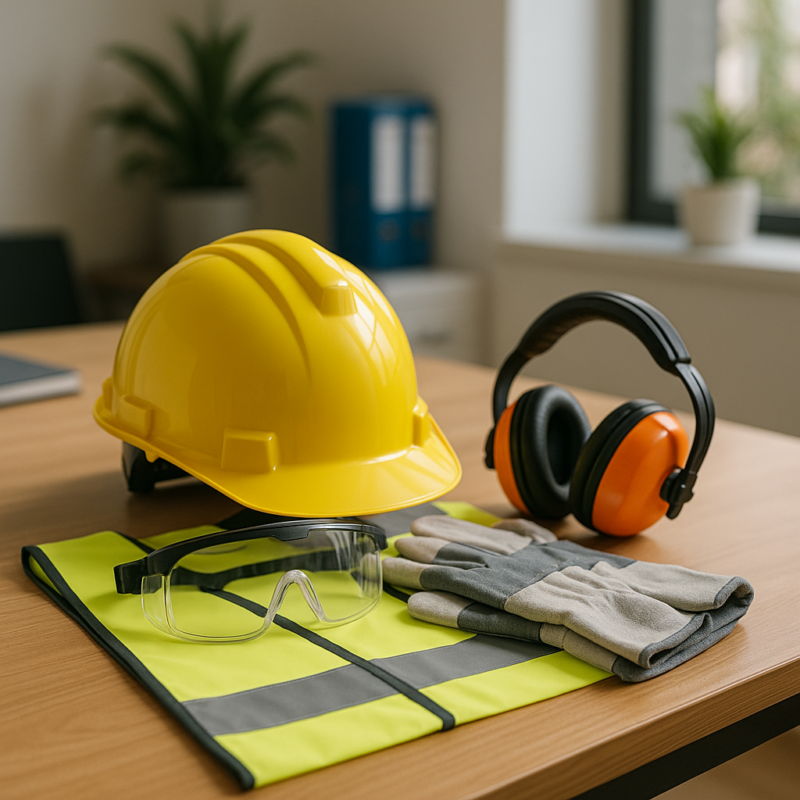
- Head Protection: Hard hats prevent injuries from falling objects. Ensure they are compliant with safety standards.
- Eye Protection: Safety goggles and face shields protect against flying debris, dust, and chemical splashes.
- Hearing Protection: Earplugs and earmuffs help reduce the risk of hearing loss in noisy environments.
- Respiratory Protection: Masks and respirators are essential when working with harmful dust, fumes, or chemicals.
- Hand Protection: Gloves vary by task; consider cut-resistant gloves for handling sharp materials or chemical-resistant gloves for hazardous substances.
- Foot Protection: Steel-toe boots protect against heavy objects falling on feet and provide grip on slippery surfaces.
2. High-Visibility Clothing
For those working in low-light environments or near traffic, high-visibility clothing is crucial. Look for jackets, vests, and trousers with reflective strips to enhance visibility.
3. Fall Protection
If your trade involves working at heights, invest in harnesses, lanyards, and safety nets to prevent falls. Ensure they are properly fitted and regularly inspected.
How to Choose the Right Safety Gear
Choosing the right safety gear for your team is a critical process. Here are some key considerations:
Assess Your Needs
- Evaluate the Risks: Identify the specific hazards present in your work environment. For instance, construction sites may require more robust PPE than landscaping jobs.
- Consult Regulations: Familiarise yourself with health and safety regulations that apply to your trade, including the Health and Safety Executive (HSE) guidelines.
Identify the Right Gear
- Quality Standards: Look for safety gear that meets recognised safety standards. For example, check for CE markings, which indicate compliance with European safety regulations.
- Fit and Comfort: Ensure that the gear fits well and is comfortable for your team to wear for extended periods. Poorly fitting equipment can lead to non-compliance and increased risk of injury.
Supplier Considerations
When sourcing safety gear, here are some questions to ask your supplier:
- What safety certifications do your products have?
- Can you provide information on the materials used?
- Do you offer bulk purchase discounts for small businesses?
- What is your return policy in case the gear does not meet our needs?
Common Mistakes to Avoid
1. Underestimating the Importance of Safety Gear
Some businesses may view safety equipment as an unnecessary expense. However, the cost of injuries can far exceed the investment in proper safety gear. Always prioritise safety.
2. Neglecting Training
Even with the best gear, improper use can lead to accidents. Ensure your team is trained on how to correctly use and maintain their safety equipment.
3. Ignoring Maintenance
Safety gear requires regular inspection and maintenance. Create a schedule for checking the condition of equipment to ensure it remains effective.
Best Practices for Implementing Safety Gear in Your Business
Create a Safety Culture
- Regular Training: Conduct safety training sessions to keep your team informed about best practices and the importance of using safety gear.
- Encourage Feedback: Foster an environment where workers feel comfortable discussing safety concerns and suggesting improvements.
Document Procedures
- Safety Policy: Develop a written safety policy outlining the expectations for safety gear usage and responsibilities.
- Incident Reporting: Implement a system for reporting safety incidents to identify areas for improvement.
Invest in Quality
When purchasing safety gear, it may be tempting to choose the cheapest option. However, investing in high-quality equipment can save money in the long run by reducing injuries and maintaining productivity.
Conclusion
Selecting the right safety gear for your trade is a vital step in ensuring the wellbeing of your workforce. By understanding the types of safety gear available, assessing your specific needs, and avoiding common pitfalls, you can create a safer working environment for your team. Remember, the right safety equipment not only complies with regulations but also promotes a culture of safety that benefits your business in the long run.
For a comprehensive selection of safety gear tailored to the needs of Dorset SMEs, consider checking out our range of products. Investing in safety gear is investing in your business.